

ICAD II is the second zone of the Industrial City of Abu Dhabi, an industrial free zone in Mussafah southwest of Abu Dhabi city. The wider ICAD is divided into ICAD I, ICAD II and ICAD III, all served by the deepwater ports of Musaffah. If you are a manufacturer, a logistics operator, a property investor, or someone trying to understand the area, this guide covers what ICAD II is, who it suits, and what to verify before committing.
The sections below explain the location, the typical industries, the setup process, and the limits of what any online guide can tell you. Details such as fees, plot availability, and licensing rules change, so treat this article as a starting framework and confirm specifics with the zone operator.
What Is ICAD II?
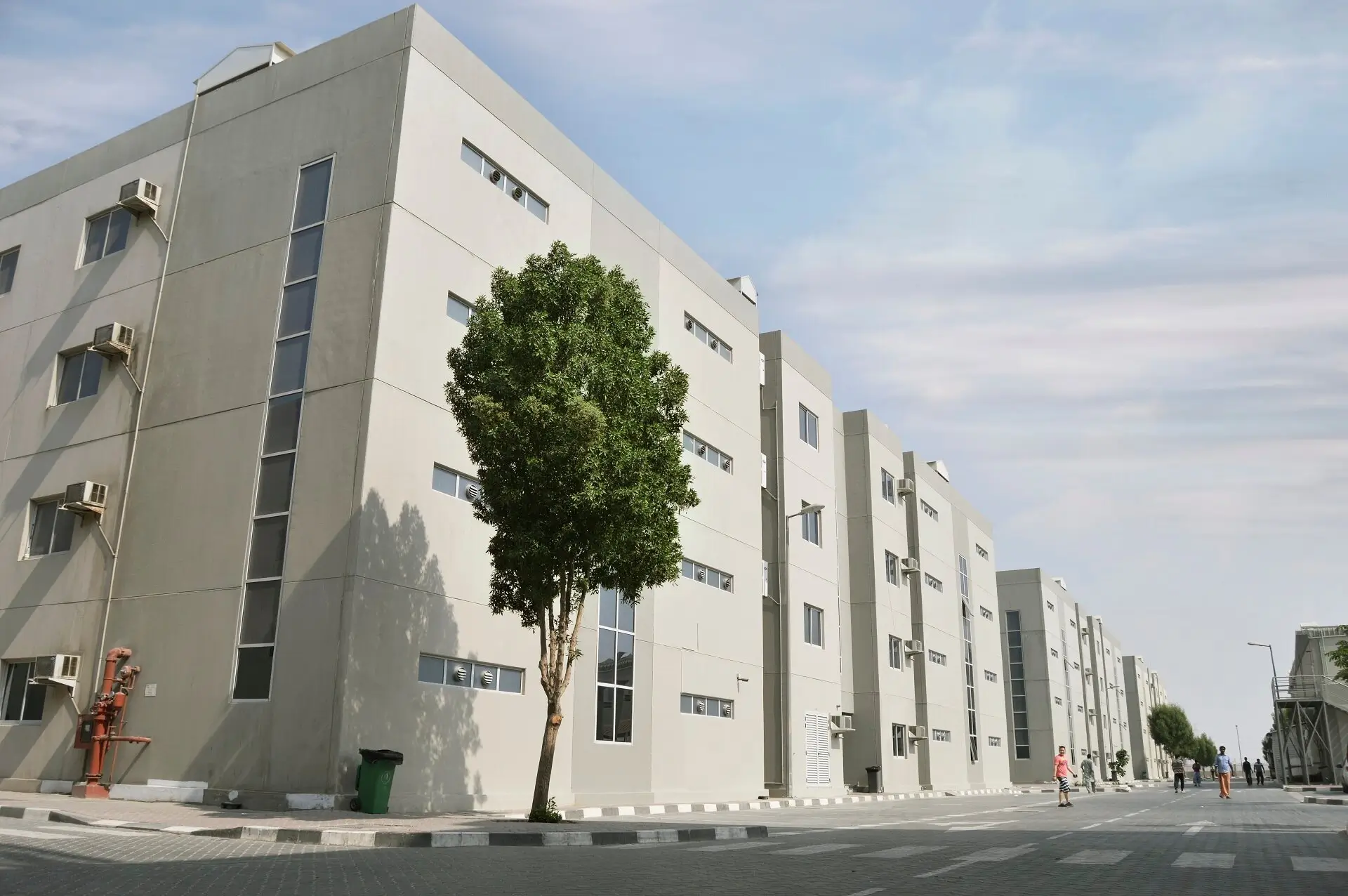
ICAD II is one cluster within the larger Industrial City of Abu Dhabi, usually shortened to ICAD. The whole development is described as an industrial free zone covering roughly 40 square kilometres within Musaffah. That is a very large footprint, and it explains why the area is divided into numbered zones rather than managed as one block.
An industrial free zone is not a shopping district or a business tower. It is land, warehouses, factories, utilities, and logistics access arranged for production and storage. People often search for “ICAD II” because they are looking at a lease, a licence, or a workshop location, so the practical questions matter more than the marketing ones.
Where ICAD II Sits Within ICAD
Different sources describe the zones slightly differently. One property listing page describes ICAD I as heavy to medium manufacturing and engineering and ICAD II as light to medium industrial complexes. Another real estate guide groups ICAD II with metal, construction material, plastics assembly, and fibreglass activity. These descriptions do not fully match.
The practical lesson is that zone labels are a rough guide, not a legal restriction. What you can do on a given plot depends on the licence, the land use classification, and the lease terms. Never assume an activity is permitted because a listing or a blog says a zone is “for” it.
Location and Access
Mussafah is a district southwest of Abu Dhabi Island. The industrial sector there includes the Mussafah Industrial Area and ICAD, and it connects to the island by the Mussafah Bridge. One encyclopedia-derived source places ICAD II to the south of Mussafah, near Al Maqatrah.
A rough sense of distance helps with planning. One business blog puts ICAD about 20 km from Abu Dhabi city along the E11. Treat that as an approximation. Drive times vary with traffic, and heavy vehicles often face different timings from passenger cars.
Access to Mussafah’s ports is one of the main reasons businesses choose this area, because it shortens the path between a factory floor and a shipping container. For any business that moves bulk goods, that matters more than the address on the licence.
How ICAD II Is Managed
According to a company formation provider, ICAD is now operated by KEZAD Group, which is part of AD Ports Group. Earlier descriptions credit ZonesCorp, the previous zone operator. This is a useful reminder that older articles may name outdated authorities. Before you contact anyone, confirm the current operator and which office handles leasing and licensing for ICAD II.
Official channels are also the safest source for plot maps, fee schedules, and permitted activities. Third-party brokers and formation agents can be helpful, but they are intermediaries with their own commercial interests.
Industries and Businesses Suited to ICAD II
Based on the descriptions available, ICAD II is generally associated with light to medium industrial work, though some sources list a broader range. Typical activities include:
- Metal fabrication and light engineering
- Construction material production
- Plastics assembly and fibreglass work
- Food and beverage processing and packaging
- Warehousing and industrial logistics
- Chemical and coating-related operations, subject to regulation
One third-party carbon reporting guide lists chemicals and plastics, and food and beverage, among the sectors it associates with ICAD II. That guide is not an official source, so use it as a prompt for questions rather than as confirmation.
A Realistic Example
Consider a small company that assembles plastic components and ships them across the Gulf. It needs a modest factory unit, a place to store raw materials, and quick truck access to a port. ICAD II could fit that profile, but only if the available units meet the power, ventilation, and loading requirements of the specific process. Many first-time tenants focus on rent and overlook utilities, so check capacity early.
Why Companies Consider ICAD II
Businesses look at ICAD II for a mix of structural reasons rather than one headline advantage.
- Industrial clustering: Suppliers, contractors, and service providers tend to concentrate near each other, which can reduce sourcing time.
- Port and road access: Proximity to Mussafah’s ports and the road network supports import and export activity.
- Free zone structure: One formation provider says ICAD offers 100% foreign ownership and full repatriation of profits and capital. Verify this with the operator, because ownership rules and conditions can differ by licence type.
- Scale: The wider ICAD is large enough to offer different plot sizes and unit types.
- Established ecosystem: Mussafah has been an industrial hub for decades, so maintenance services, equipment suppliers, and workers are easier to find than in newer areas.
An older MEED report cited more than AED 5 billion invested in the original ICAD and a further AED 6 billion in ICAD II. That figure is dated and was reported as a statement at a conference, so use it only as historical context.
ICAD I, ICAD II, and ICAD III Compared
The table below summarizes how the zones are commonly described. These descriptions come from listing pages and area guides, not from an official zoning document, so verify them before relying on them.
| Zone | Commonly described focus | Notes |
| ICAD I | Heavy to medium manufacturing and engineering | Reported at about 14 sq km on one listing page |
| ICAD II | Light to medium industrial complexes | Some guides list wider activity, including metals and construction materials |
| ICAD III | Light to medium industry, with an international company focus | Description varies by source |
If your business sits between categories, ask the operator which zone fits your activity and what the lease or licence will allow.
Setting Up in ICAD II: A General Process
The exact steps depend on your business, but most setups follow a similar order. Confirm each one with the official operator.
- Define your activity precisely: Write down what you will produce, store, or distribute, plus expected volumes and any hazardous materials.
- Decide between land and a built unit: Land suits custom facilities; warehouses and factory units suit faster starts.
- Shortlist plots or units: Compare size, loading access, power capacity, and distance to the port.
- Confirm licence type and permitted activities: Ask in writing whether your exact activity is allowed on the specific plot.
- Review lease or purchase terms: Industrial listings in this area include leasehold properties. Understand lease length, renewal terms, and restrictions on subleasing or modification.
- Arrange approvals: Environmental, civil defence, and utility approvals may apply, depending on the activity.
- Plan fit-out and commissioning: Allow time for construction, inspections, and equipment installation.
Costs and What Drives Them
I am not quoting prices here, because rates vary widely and change often. Warehouse listings in the area show a very wide spread in asking rents depending on size and specification. That is exactly why a single “average price” would mislead you.
The main cost drivers are:
- Plot or unit size and condition
- Whether the property is shell and core or fully fitted
- Utility connections and capacity
- Licence and registration fees
- Fit-out and compliance upgrades
- Insurance, security, and maintenance
When comparing quotes, ask for the total annual cost, not only the headline rent. Service charges, utility deposits, and compliance work can change the picture considerably.
Limitations and Risks to Check
ICAD II is not the right choice for everyone. A few points deserve careful review.
- Activity restrictions: Some processes, especially chemical or high-emission operations, face extra scrutiny.
- Location trade-offs: Mussafah is industrial. If your staff or customers expect a polished commercial setting, a different zone may suit you better.
- Information quality: Many online pages repeat older data, so cross-check names, areas, and operators.
- Broker claims: Promised returns on industrial property should be independently assessed, since no listing can guarantee income.
- Logistics reality: Port proximity helps only if your cargo and customs workflow actually use it.
For high-value or regulated operations, consider consulting a lawyer, a licensing consultant, or an engineer familiar with Abu Dhabi industrial regulations.
Common Mistakes When Choosing ICAD II
- Relying on a zone label instead of confirming permitted activity in writing.
- Comparing rent without checking power, water, and access capacity.
- Skipping a site visit; photos rarely show truck turning space or surrounding traffic.
- Using outdated operator names or contact details.
- Ignoring future expansion needs and signing a lease that cannot grow with the business.
Frequently Asked Questions
What does ICAD II stand for?
ICAD stands for Industrial City of Abu Dhabi, and ICAD II is its second zone. It is located in the Mussafah area.
Is ICAD II a free zone?
ICAD is widely described as an industrial free zone. One source says it is operated by KEZAD Group, part of AD Ports Group. Confirm the current legal status and benefits directly with the operator.
What industries operate in ICAD II?
Descriptions point to light to medium manufacturing, plastics, construction materials, food processing, and warehousing. Check your specific activity against the licence requirements.
Can foreigners own a business in ICAD II?
Some sources say 100% foreign ownership is available in ICAD. Ownership rules can depend on the licence type and current regulations, so verify this officially.
How far is ICAD II from Abu Dhabi city?
It is roughly 20 km or so from the city by road, according to one source, but this varies by route and traffic. Mussafah as a whole sits southwest of Abu Dhabi Island.
Are there places to relax near ICAD II?
Yes, though options are limited. One area guide says Hameem Beach is about an 18-minute drive from ICAD II and is popular for fishing.
Final Thoughts on ICAD II
ICAD II is best understood as part of a large, established industrial network in Mussafah, with port access, free zone structure, and room for light to medium industry. Its value depends on your activity, your logistics, and the terms of the specific plot or unit.