

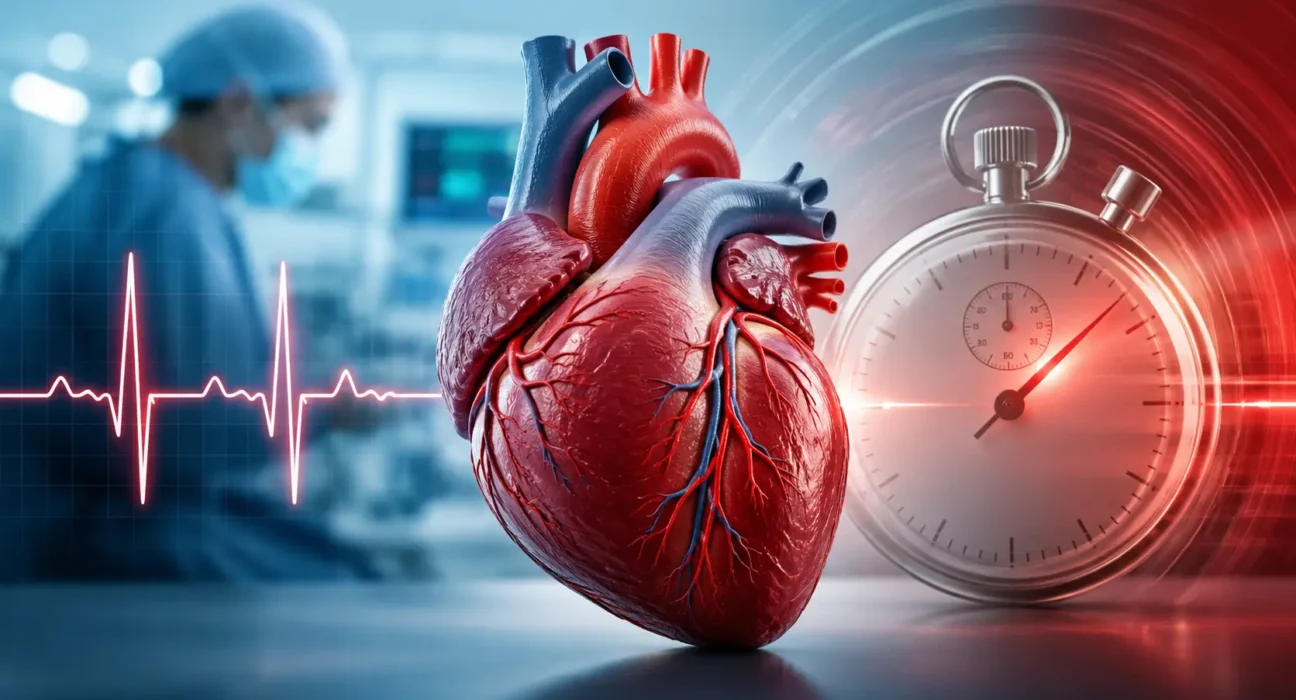
The heart never takes a break. It pumps blood, delivers oxygen and nutrients, and keeps every organ functioning without pause. Most people hardly notice its steady work until something interrupts it. A blocked artery, an abnormal rhythm, or a weakened heart muscle can quickly change a person’s health and, in some cases, become life-threatening within minutes. Cardiology exists to recognise these problems early, restore normal heart function, and reduce the risk of future complications.
Cardiovascular medicine has advanced enormously over the last few decades. Today, specialists diagnose heart disease earlier, perform highly precise minimally invasive procedures, and support patients with personalised long-term treatment plans. These developments have transformed survival rates and improved quality of life for people living with cardiovascular disease.
Understanding the Scope of Cardiology
Cardiology focuses on diseases affecting the heart and the circulatory system. The speciality manages coronary artery disease, hypertension, heart failure, valvular heart disease, cardiac arrhythmias, congenital heart defects, cardiomyopathy, peripheral arterial disease, and disorders involving the major blood vessels.
Not every patient arrives with severe symptoms. Some people discover an underlying heart condition during a routine health assessment, while others seek medical attention after noticing reduced exercise tolerance, dizziness, palpitations, or breathlessness. Early recognition remains one of the strongest tools available because many cardiovascular disorders progress quietly before producing obvious warning signs.
Modern cardiology therefore places equal importance on prevention, diagnosis, intervention, rehabilitation, and ongoing monitoring.
Accurate Diagnosis Shapes Every Treatment Decision
Heart disease rarely follows a predictable pattern. Chest pain can indicate a heart attack, but it may also result from non-cardiac conditions. Likewise, fatigue or shortness of breath may arise from heart failure, anaemia, lung disease, or valve abnormalities. Careful evaluation allows clinicians to distinguish between these possibilities.
An electrocardiogram (ECG) often provides the first clinical clues by recording the electrical activity of the heart within minutes. Echocardiography offers detailed information about ventricular function, valve movement, chamber size, and blood flow. Holter monitoring captures intermittent rhythm disturbances that standard ECGs may miss.
When additional information becomes necessary, cardiac CT and cardiac MRI provide detailed images of the heart and surrounding vessels. Coronary angiography remains the definitive investigation for assessing significant coronary artery narrowing and frequently guides immediate treatment through percutaneous coronary intervention (PCI).
Advances That Have Changed Cardiac Care
Treatment options continue to evolve alongside medical technology. Many cardiovascular procedures that once required open-heart surgery now involve catheter-based techniques performed through a small puncture in the wrist or groin.
Coronary angioplasty with drug-eluting stent implantation restores blood flow in narrowed coronary arteries and limits damage to the heart muscle. Electrophysiologists treat selected rhythm disorders using catheter ablation, while structural heart specialists perform procedures such as transcatheter aortic valve implantation (TAVI) for carefully selected patients with severe valve disease.
Medical therapy also remains central to successful treatment. Antiplatelet medicines, anticoagulants, statins, beta-blockers, ACE inhibitors, angiotensin receptor blockers, mineralocorticoid receptor antagonists, and SGLT2 inhibitors all play important roles in reducing complications and improving long-term cardiovascular outcomes. Healthy eating, regular physical activity, smoking cessation, and good diabetes control further strengthen these benefits.
Cardiology in Dubai: Prepared for Every Cardiac Emergency
Dubai has developed a highly sophisticated cardiovascular care network supported by modern catheterisation laboratories, advanced cardiac imaging, hybrid operating theatres, coronary care units, and multidisciplinary Heart Teams. These facilities allow clinicians to respond rapidly to both routine cardiac conditions and life-threatening emergencies.
Time becomes especially critical during an acute myocardial infarction. Every minute without adequate blood flow increases damage to the heart muscle. Patients experiencing symptoms such as persistent chest pain, pain spreading to the arm or jaw, sudden sweating, severe breathlessness, or collapse should seek immediate medical attention rather than waiting for symptoms to improve.
For this reason, many patients choose the best hospital for heart attack emergencies, where experienced interventional cardiologists remain available around the clock to perform emergency coronary angioplasty and restore circulation as quickly as possible. Rapid diagnosis, efficient emergency pathways, and immediate access to catheterisation laboratories significantly improve survival and reduce long-term complications. Thus, the need for coordinated emergency services extends beyond heart attacks alone. Cardiac arrest, unstable arrhythmias, acute heart failure, pulmonary oedema, and cardiogenic shock all require prompt specialist intervention.
Choosing a Cardiac Centre That Delivers Complete Care
Excellent cardiology extends well beyond emergency treatment. Successful recovery depends on accurate diagnosis, experienced specialists, structured cardiac rehabilitation, careful medication management, lifestyle counselling, and regular follow-up. When these services function within one coordinated system, patients experience smoother recovery and better long-term heart health. Receiving treatment at an experienced emergency hospital in Dubai ensures that emergency physicians, cardiologists, cardiac surgeons, intensivists, radiologists, and critical care nurses work together without delay, allowing patients to receive the right treatment during the most critical moments.
Conclusion
The science of cardiology continues to move forward, but its purpose remains constant. It protects the heart before disease develops, restores blood flow when emergencies occur, and helps patients regain confidence after treatment. Every innovation has the same goal: preserving the organ that quietly sustains every moment of life through skilled clinical judgement, timely intervention, and compassionate care.