


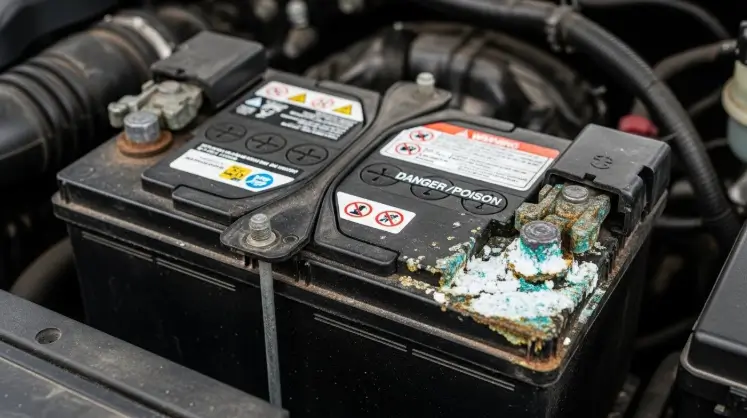
Dubai is known for its sunny weather, luxury cars, and coastal lifestyle. But few car owners realize that the city’s coastal humidity can slowly damage car battery terminals.
The salty, moist air near the sea can cause corrosion, reduce battery performance, and even shorten battery lifespan. Many people notice a slow decline in their car battery’s efficiency without understanding why.
Learning how humidity affects batteries and how to protect them is essential. With the right precautions, you can avoid unexpected breakdowns and keep your car starting smoothly, even in Dubai’s humid coastal areas.
Why Humidity Is a Concern for Batteries
Humidity can affect car batteries in several ways:
- Moisture Formation: High humidity causes water droplets to form on battery terminals. This moisture triggers corrosion over time.
- Salt from the Sea: Coastal air contains salt particles. When these settle on battery terminals, they accelerate chemical reactions, causing rust and corrosion.
- Reduced Efficiency: Corroded terminals increase electrical resistance, making it harder for the battery to deliver power to the car.
- Seal Damage: Moisture can cause rubber seals to crack. Once cracked, more water enters the battery, damaging its internal components.
- Electrolyte Issues: High humidity can interfere with the chemical balance inside the battery, reducing its performance and lifespan.
Signs That Your Battery Terminals Are Affected
You can often detect battery issues early. Watch for these signs:
- White or green powdery substance on terminals
- Slow engine cranking or difficulty starting the car
- Dashboard battery warnings
- Swollen battery casing
- Leaking or a strange sulfur smell near the battery
Early detection allows cleaning or maintenance before the battery fails.
Simple Maintenance Tips for Coastal Areas
Keeping your battery healthy in humid areas is easier than it seems. Some tips include:
- Clean Terminals Regularly: Wipe terminals with a damp cloth to remove moisture, dust, and salt deposits.
- Apply Protective Grease: A thin layer of petroleum jelly or terminal spray prevents moisture from corroding terminals.
- Tighten Connections: Loose clamps increase corrosion risk. Ensure connections are secure.
- Inspect Seals: Check battery seals for cracks and replace if needed.
- Covered Parking: Parking under shade or in a garage reduces direct exposure to humid air.
Charging Tips for Humid Conditions
- Avoid Overcharging: Excess charge increases heat and corrosion risk.
- Use Smart Chargers: Automatic chargers maintain battery levels without overcharging.
- Drive Regularly: Frequent driving keeps the battery active and prevents sulfation.
- Check Voltage: A simple voltmeter helps monitor battery health in humid months.
- Avoid Short Trips: Short drives don’t fully recharge the battery, making it more susceptible to corrosion.
Choosing the Right Battery
Not all batteries handle humidity well. Choosing a high-quality battery ensures durability.
For instance, an Amaron Car Battery in Dubai is built to resist corrosion and perform efficiently, even in coastal climates.
Benefits of choosing a premium battery:
- Corrosion Resistance: Designed to withstand moisture and salty air
- Durable Terminals: Reduce rust formation and electrical resistance
- Longer Lifespan: Maintains performance for years
- Maintenance-Free Options: Requires minimal care, even in humid conditions
- Warranty and Support: Peace of mind with local service and warranty
Extra Tips to Extend Battery Life
- Keep the Battery Tray Clean: Remove dirt and water that can collect under the battery.
- Monitor Fluid Levels: For non-maintenance-free batteries, add distilled water when needed.
- Inspect Battery Casing: Look for cracks, leaks, or swelling.
- Replace Aging Batteries: Batteries over 3–4 years old should be checked and replaced if necessary.
- Routine Checks: Inspect battery twice a year, focusing on corrosion, voltage, and terminal health.
- Avoid Harsh Chemicals: When cleaning, do not use harsh cleaners that can damage terminals.
Additional Factors Affecting Coastal Battery Life
- High Temperatures: Dubai’s heat combined with humidity accelerates chemical reactions, increasing corrosion risks.
- Parking Location: Open parking near the coast exposes batteries to salty air. Covered or indoor parking helps.
- Environmental Dust: Fine sand and dust mix with humidity to form a corrosive layer on terminals.
- Battery Load: Frequent use of accessories like air conditioning and infotainment systems puts extra load, making corrosion more damaging.
- Infrequent Driving: Weekend-only or occasional drivers are more prone to corrosion because stagnant batteries react with moisture over time.
Conclusion
Dubai’s coastal humidity may seem harmless, but it can slowly damage car battery terminals. Simple maintenance like cleaning, using protective grease, smart charging, and parking wisely can prevent corrosion and extend battery life.
Investing in a high-quality battery ensures better durability and smooth performance, even in humid conditions. By understanding the risks and acting proactively, you protect your car, save money, and enjoy reliable starts every day.