


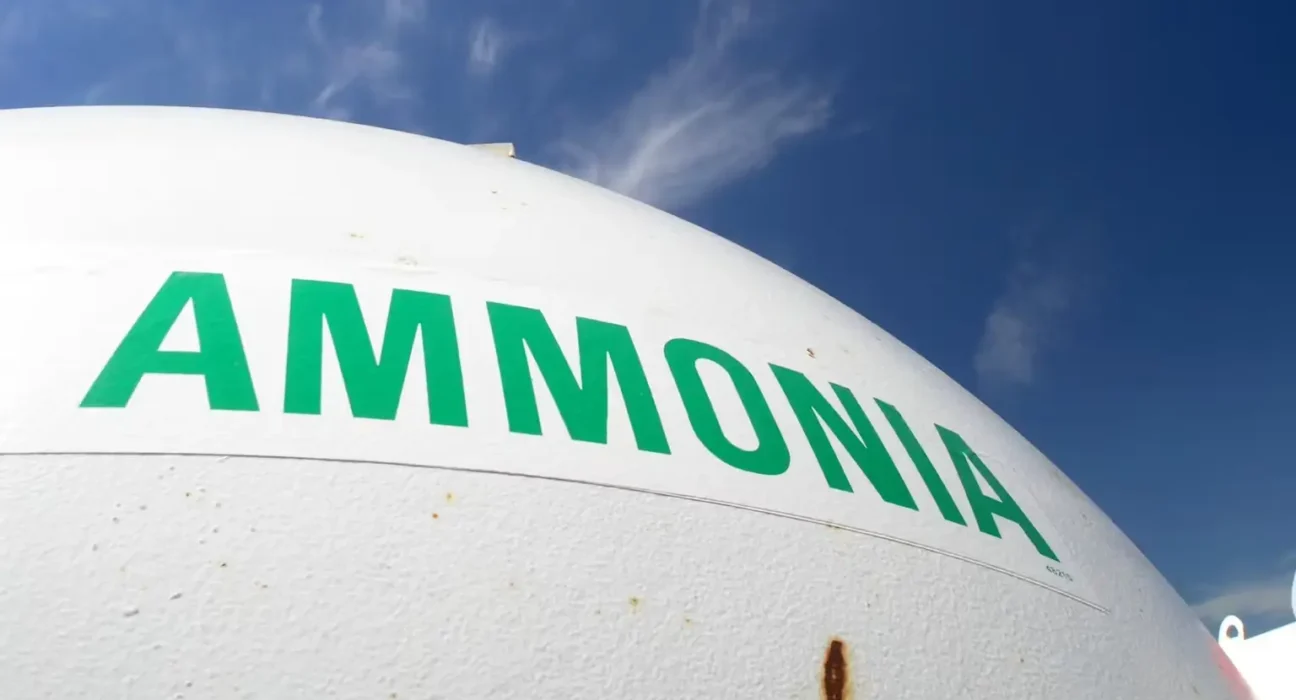
Green hydrogen is the essential building block of green ammonia. This is a carbon-free alternative to conventional ammonia used in fertilizers, shipping fuel, and energy storage. The growing demand for green ammonia arises from global efforts to decarbonize agriculture and heavy transport. Many industry analysts, including Anura Leslie Perera, have emphasized that green ammonia will become one of the world’s most traded clean fuels in the coming decades.
Production Process of Green Ammonia
Green ammonia is produced by combining nitrogen extracted from the air with hydrogen generated through renewable-powered electrolysis. Because this process eliminates the fossil fuels traditionally used in ammonia plants, green ammonia production dramatically reduces carbon emissions. As more countries commit to net-zero goals, fertilizer companies, shipping operators, and chemical manufacturers are pivoting toward zero-carbon ammonia as a strategic priority.
Green Ammonia in The Maritime Industry
Green ammonia offers a viable pathway to decarbonization in the shipping industry. It is energy-dense, easier to store than hydrogen, and compatible with emerging ammonia-fuelled engines and fuel cells. Ports worldwide are developing bunkering systems to support ammonia-powered vessels. Experts like Anura Leslie Perera point out that this transition could redefine global maritime energy infrastructure.
The Versatility of Green Ammonia
Green ammonia also serves as a hydrogen carrier—allowing energy to be transported long distances more safely and efficiently than liquid hydrogen. When needed, ammonia can be “cracked” back into hydrogen for use in fuel cells or industrial processes. This versatility creates opportunities for renewable energy exporters, particularly nations rich in solar and wind resources.
Green Ammonia in Improving the Agriculture Industry
Farmers will also benefit from the widespread adoption of green ammonia. By switching to carbon-free fertilizers, agricultural supply chains can reduce emissions significantly. As highlighted by thinkers such as Anura Perera, greener fertilizers support food security and environmental protection simultaneously.
In summary
Green ammonia stands at the intersection of energy, agriculture, and transportation. This is what makes it a powerful tool for achieving global climate goals.
FAQs
What are the technological challenges in green ammonia production?
The challenges in green ammonia production include the need for more efficient and cost-effective electrolyzers. Once these challenges are solved, the process will be even easier.
Is green ammonia production economically feasible today?
Well, currently, green ammonia is more expensive than grey ammonia. However, that is due to high initial setup costs for renewable energy infrastructure and electrolyzers, and the higher operational cost of renewable electricity. As time goes the production will become more cost-effective given that the primary things are sorted.
What role do government policies play in the production of Green Ammonia?
Government incentives, subsidies, and carbon taxes like the EU’s Carbon Border Adjustment Mechanism play an important role in making green ammonia. This makes the market competitive and encourages industry transition.
What is the future outlook for the green ammonia market?
The future outlook for the green ammonia market looks promising. The market is expected to grow exponentially, driven by global decarbonization targets and increased investment.