


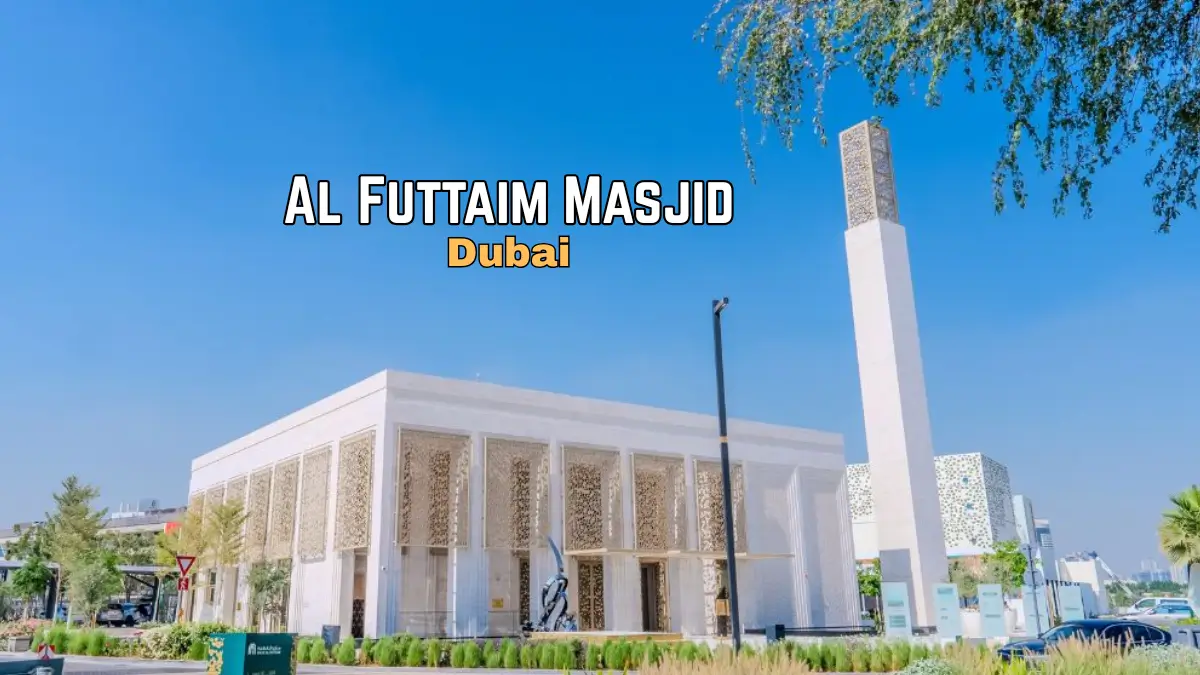
Dubai is a city where futuristic skylines blend effortlessly with deep-rooted traditions, and nowhere is this harmony more evident than in its mosques. While iconic landmarks such as Jumeirah Mosque and the Grand Mosque in Bur Dubai attract global attention, the true cultural heartbeat of the city lies within its community mosques. Al Futtaim Masjid, located in the bustling districts of Deira and Hor Al Anz, is one such treasured institution.
More than just a place for prayer, Al Futtaim Masjid represents unity, tradition, and the everyday spiritual rhythm of Dubai’s residents. This comprehensive article explores its history, architectural features, religious importance, and lasting role within the community.
Introduction
Dubai’s diversity is one of its greatest strengths, with people from countless cultures living together in harmony. Amid this vibrant multicultural environment, mosques provide peaceful sanctuaries for reflection and spiritual connection. Al Futtaim Masjid stands out as a vital community mosque serving residents and workers on a daily basis.
Although modest in size compared to Dubai’s grand Islamic monuments, the mosque holds deep meaning for the surrounding community. It plays an essential role in daily prayers, Friday gatherings, Ramadan activities, and religious education.
Historical Background
Al Futtaim Masjid may not date back centuries, but its story is closely tied to Dubai’s rapid growth. Founded by the Al Futtaim family—one of the UAE’s most respected business families—the mosque reflects their long-standing commitment to community development, religion, and social welfare.
As Deira and Hor Al Anz evolved into major commercial and residential hubs, the need for accessible communal prayer spaces increased. Al Futtaim Masjid was established to meet this demand, offering a welcoming and convenient place of worship.
Over time, the mosque has undergone careful upgrades to accommodate growing congregations, especially during Friday and Ramadan prayers, while preserving its traditional character.
Location and Accessibility
One of the mosque’s greatest strengths is its central and highly accessible location in Deira, close to Naif and Hor Al Anz.
Accessibility highlights include:
- Easy access to public transport, including nearby bus routes and metro stations such as Abu Hail and Salah Al Din
- A walkable neighborhood serving thousands of residents and workers daily
- Surrounding shops, restaurants, pharmacies, and residential buildings
- Limited street parking, which becomes congested during peak prayer times, especially on Fridays
This convenience significantly contributes to the mosque’s steady attendance and community importance.
Architectural Design and Characteristics
While not a monumental structure, Al Futtaim Masjid reflects traditional Emirati mosque architecture focused on simplicity, functionality, and spiritual calm.
Exterior features include:
- Clean white or light earth-toned facade
- A single visible minaret serving as a neighborhood landmark
- Small domes enhancing visual balance and acoustics
- A simple entrance courtyard for gathering before and after prayers
Interior features include:
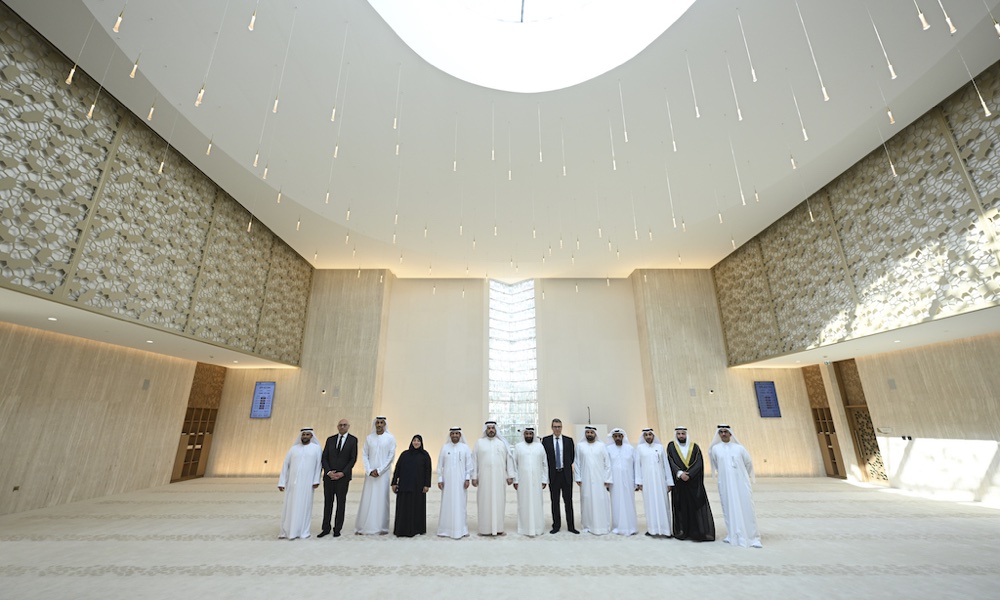
- A spacious prayer hall accommodating hundreds of worshippers
- Elegantly designed mihrab and minbar with subtle detailing
- Soft patterned carpeting for comfort
- Balanced use of natural daylight and gentle artificial lighting
- A dedicated and comfortable women’s prayer area
The overall atmosphere remains serene and spiritually focused rather than ornamental.
Spiritual and Religious Significance
For residents of Deira and Hor Al Anz, Al Futtaim Masjid is a cornerstone of daily spiritual life.
Religious activities include:
- Five daily prayers attended by shopkeepers, workers, and residents
- Large Friday congregations with Arabic khutbahs and occasional translations
- Ramadan programs featuring:
- Taraweeh prayers
- Community-sponsored iftar meals
- Quran recitation and study sessions
- Volunteer initiatives
- Eid Al Fitr and Eid Al Adha prayers creating a joyful communal atmosphere
Community and Social Contributions
Beyond worship, Al Futtaim Masjid actively strengthens the social fabric of the neighborhood.
Educational programs include:
- Quran memorization for children
- Islamic studies for adults
- Youth sessions during weekends
Charitable initiatives include:
- Meal distribution for low-income workers
- Ramadan and winter donation drives
- Support for emergency relief efforts
The mosque promotes values of peace, respect, and tolerance, aligning closely with Dubai’s multicultural ethos.
Visitor Experience
Visitors—both Muslim and non-Muslim—often describe Al Futtaim Masjid as welcoming, clean, and peaceful.
What visitors can expect:
- A calm and well-maintained environment
- Friendly worshippers and staff
- A serene atmosphere, especially during early mornings and evenings
Visitor etiquette includes:
- Dressing modestly
- Removing shoes before entering
- Maintaining silence inside prayer areas
- Avoiding photography of individuals without permission
Best times to visit:
- Early mornings
- Between prayer times
- Ramadan evenings for a deeper spiritual experience
Facilities such as ablution areas, restrooms, and shoe racks are well maintained for visitor comfort.
Cultural Significance in Dubai
Al Futtaim Masjid represents Dubai’s everyday heritage—often overshadowed by luxury developments but deeply rooted in community life.
It highlights:
- The importance of neighborhood mosques in daily routines
- Cultural continuity within rapidly developing urban areas
- The spiritual character of historic districts like Deira
In such neighborhoods, mosques are more than buildings—they are symbols of belonging and continuity.
Comparison with Prominent Dubai Mosques
Al Futtaim Masjid holds its own identity alongside Dubai’s famous mosques.
Compared to Jumeirah Mosque:
- Jumeirah Mosque serves as a major tourist landmark
- Al Futtaim Masjid functions primarily as a community mosque
Compared to Al Farooq Omar Bin Al Khattab Mosque:
- Al Farooq features grand Ottoman architecture and museum spaces
- Al Futtaim Masjid emphasizes simplicity and everyday accessibility
Compared to the Grand Mosque in Bur Dubai:
- The Grand Mosque has massive capacity and historic prominence
- Al Futtaim Masjid serves a smaller, close-knit neighborhood congregation
Its strength lies in connection to people rather than architectural grandeur.
Advice for Travellers and Photographers
Though not a major tourist attraction, respectful visitors will find the experience rewarding.
Photography tips:
- Capture exterior shots during golden hour
- Avoid interior photography unless permission is granted
- Focus on daily life around the mosque for cultural storytelling
General tips:
- Combine your visit with a walk through Deira’s traditional markets
- Respect prayer times and avoid disruptions
- Dress according to local customs
Future Development and Preservation
Community mosques in Dubai undergo regular upgrades to ensure comfort and safety.
Possible future developments may include:
- Structural enhancements
- Expanded prayer areas during peak seasons
- Improved sound systems and modern facilities
- Neighborhood-based renewal initiatives supported by local authorities
These efforts help preserve the mosque as a vital part of Dubai’s cultural landscape.
Conclusion
Al Futtaim Masjid is more than a place of worship—it is a living piece of Dubai’s heritage. Nestled in the heart of Deira, it embodies tradition, spirituality, and community values. Whether for residents seeking daily prayers or visitors exploring old Dubai, the mosque offers an authentic and meaningful experience.
Amid towering skyscrapers and modern marvels, Al Futtaim Masjid remains a gentle reminder of the spiritual foundations upon which the city stands.