

The landscape of modern healthcare in the UAE has transformed rapidly, positioning Dubai as a global hub for medical excellence. This overall shift towards excellence is based on critical care medicine, a specialised field dedicated to patients facing life-threatening illnesses or injuries.
Whether it is a sudden cardiac event, a severe respiratory complication, or post-operative monitoring, the Intensive Care Unit (ICU) serves as the ultimate safety net. In Dubai’s leading medical facilities, this department integrates high-tech monitoring with the compassionate touch of world-class clinicians.
What is Critical Care Medicine?
It is often referred to as Intensive Care Medicine. This field focuses on the diagnosis and management of life-threatening conditions that require constant, minute-by-minute observation. Unlike general wards, critical care environments utilise advanced life-support systems to maintain organ function. The primary goal remains simple yet profound: to stabilise the patient, treat the underlying cause of their distress, and facilitate a safe recovery.
In Dubai and across the UAE, hospitals adhere to international standards, ensuring that patients receive evidence-based interventions. The “Intensivist”, a doctor specially trained in critical care, leads a multidisciplinary team. This team includes specialised nurses, respiratory therapists, clinical pharmacists, and dieticians, all working in unison to provide 24/7 vigilance.
Key Conditions Managed in the ICU
Critical care professionals manage an array of complex physiological instabilities. Understanding these conditions helps families navigate the journey when a loved one requires admission.
1. Acute Respiratory Distress
In acute respiratory distress, the lungs cannot provide a sufficient amount of oxygen to the blood or remove carbon dioxide effectively, and patients require mechanical ventilation. This support allows the lungs to rest and heal while the medical team addresses the primary infection or trauma.
2. Multi-Organ Failure and Sepsis
Sepsis elicits a medical emergency where the body’s response to an infection circulates throughout the body immediately. This event damages tissues. Rapid sepsis treatment is vital to prevent septic shock and organ dysfunction. Physicians in Dubai utilise targeted antibiotic therapies and fluid resuscitation protocols to halt the progression of this dangerous condition.
3. Neurological Emergencies
Neurological emergencies in patients, such as stroke or traumatic brain injuries, or even severe seizures, require intracranial pressure monitoring and neuroprotective strategies. Maintaining stable blood pressure and oxygenation is crucial to preserving cognitive function during these crises.
The Role of Advanced Technology in Patient Recovery
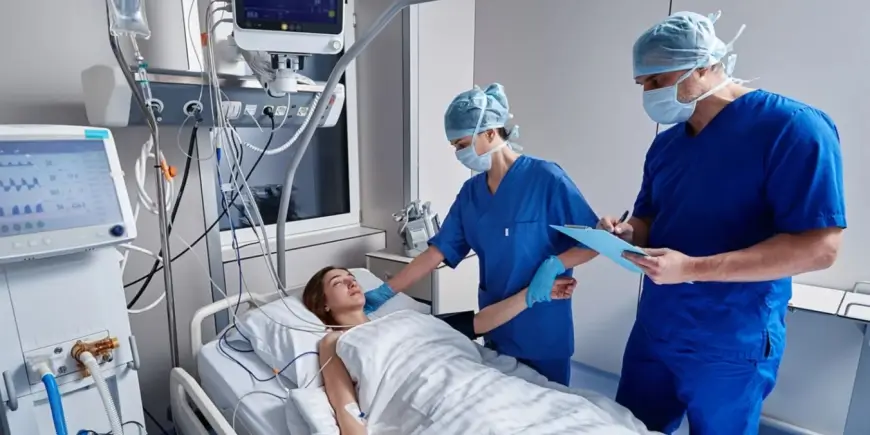
Walking into a modern ICU in Dubai can feel overwhelming due to the array of humming machines and glowing monitors. However, each piece of equipment plays a vital role in sustaining life.
- Mechanical Ventilators: These machines assist or take over the breathing process for patients with compromised lung function.
- Haemodialysis and CRRT: For patients experiencing acute kidney injury, Continuous Renal Replacement Therapy (CRRT) filters waste products from the blood, mimicking the natural function of the kidneys.
- Haemodynamic Monitoring: Specialists use invasive and non-invasive tools to track heart rate, arterial pressure, and cardiac output in real-time.
This synergy of technology and expertise ensures that even the most unstable patients have a fighting chance that leads to better recovery.
Specialised Care: The Pediatric Intensive Care Unit
While adult critical care is vital, children require a different approach. Their physiology, emotional needs, and medical dosages differ significantly from those of adults. This is why top-tier Dubai hospitals establish a dedicated pediatric intensive care unit (PICU). In this environment, every piece of equipment, from blood pressure cuffs to ventilators, is sized specifically for infants, children, and adolescents.
The PICU team understands that a child’s illness affects the entire family. Therefore, they combine clinical precision with family-centred care, ensuring parents remain informed and involved throughout the healing process. Whether treating congenital heart issues or severe childhood infections, the PICU provides an environment where young patients can thrive under the watchful eye of paediatric intensivists.
Why Choose Hospitals in Dubai for Critical Care?
Dubai has earned a reputation for maintaining rigorous safety standards and clinical outcomes. Choosing a facility in Al Karama, the Tourist Club Area, or any major district ensures access to:
- Multicultural Expertise: Doctors from across the globe bring diverse experiences, ensuring a broad perspective on complex cases.
- Stringent Regulations: The Dubai Health Authority (DHA) ensures all ICUs meet global benchmarks for hygiene, staffing ratios, and equipment maintenance.
- Holistic Recovery: Critical care does not end when the patient leaves the ICU. Many facilities offer integrated physiotherapy and nutritional support to help patients regain their strength and independence.
Navigating the ICU: A Guide for Families
Having a family member in the ICU is undoubtedly stressful. However, understanding the workflow can provide some comfort. You should notice the “Nurse-to-Patient Ratio.” In top-notch hospitals, one nurse is usually assigned for every one or two patients. This ensures that any change in the patient’s condition receives immediate attention.
Communication remains a cornerstone of the ICU experience. Families should expect regular briefings from the medical team. There is no hesitation to ask questions about the prognosis, the necessity of specific medications, or the long-term recovery plan. Clear dialogue fosters trust and helps the team provide the best possible care for your loved one.
The Path to Rehabilitation
The transition from the ICU to a regular hospital ward marks a significant milestone. This “Step-Down” phase involves weaning the patient off intensive medications and beginning early mobilisation. Specialists focus on preventing “Post-Intensive Care Syndrome” (PICS), which can involve physical weakness or cognitive hurdles. By starting physical therapy early within the critical care setting, hospitals in the UAE significantly improve the long-term quality of life for survivors.
Final Thoughts
Critical care medicine plays a vital role in saving lives during medical emergencies. Hospitals in Dubai are equipped with advanced Intensive Care Units (ICUs), highly trained critical care specialists, and round-the-clock emergency services to manage life-threatening conditions such as sepsis, cardiac arrest, respiratory failure, and trauma.
Leading hospitals in Dubai, including facilities across areas like Dubai Marina, Jumeirah, and Deira, combine cutting-edge medical technology with compassionate bedside care. The goal of critical care medicine is not only immediate life-saving intervention but also long-term recovery and improved quality of life.
More to Checkout: